Municipal payroll schedules in San Francisco drive cash flow, compliance, and contract timing for hundreds of vendors and service providers. Knowing the key dates—when city employees are paid, when tax withholdings are remitted, and when supplemental payrolls occur—helps businesses avoid late‑payment penalties, align invoicing cycles, and maintain smooth relationships with the city’s finance department.
Why the Calendar Matters for Your Bottom Line
City payroll is processed on a semi‑monthly basis, typically on the 15th and the last day of each month. When either of those days falls on a weekend or a city‑observed holiday, the payment is advanced to the prior business day. This shifting pattern can catch vendors off‑guard if they rely on static dates for invoicing or cash‑management.
Key takeaway: Align your billing schedule with the city’s adjusted payroll days to secure timely payment and reduce accounts‑receivable churn.
Core Payroll Milestones to Track
Regular Payroll Runs
- Mid‑month payroll (around the 15th)
- End‑of‑month payroll (around the last calendar day)
Supplemental Payments
- Holiday or overtime surcharges—issued as separate runs when overtime thresholds are met.
- Year‑end bonus distributions—usually processed in December, with a specific cutoff that the city announces early in the year.
Tax and Benefit Remittances
- State unemployment insurance (SUI) and federal tax deposits are tied to each payroll run, so missing a payroll date can trigger compliance alerts.
- Employee benefit contributions (e.g., health, retirement) are deducted on the same schedule, affecting vendor contracts that include benefit administration.
How to Stay Ahead: Practical Steps
- Subscribe to the official payroll calendar. The City of San Francisco posts an annual payroll schedule on its finance portal, highlighting adjusted dates for holidays.
- Integrate dates into your ERP or accounting system. Set up recurring reminders that mirror the city’s payroll timeline, ensuring invoices are generated at least five business days before each run.
- Maintain a compliance checklist. Verify that all tax forms (W‑2, 1099) and benefit reports align with the payroll dates to avoid late‑filing penalties.
- Build a buffer for unexpected adjustments. Reserve a contingency fund equal to one payroll cycle’s worth of receivables to smooth cash‑flow gaps caused by date shifts.
- Communicate proactively. When a supplemental payroll is announced, alert your finance team and adjust project milestones accordingly.
Implications for Contract Management
Many city contracts stipulate payment terms of “Net 30” from the date of payroll processing. Misreading the payroll calendar can extend the effective payment period, straining vendor margins. By synchronizing contract milestones with the city’s payroll dates, you secure predictable revenue streams and strengthen negotiation leverage for future agreements.
Bottom Line: Turn Dates Into Strategic Assets
Understanding and internalizing San Francisco municipal payroll dates transforms a routine compliance requirement into a competitive advantage. Track the semi‑monthly runs, watch for holiday adjustments, and embed the schedule into your financial workflows. The result is faster payment, reduced administrative friction, and a clearer path to sustained profitability when doing business with the city.
What Is A Storage Area Network? How To Setup SAN
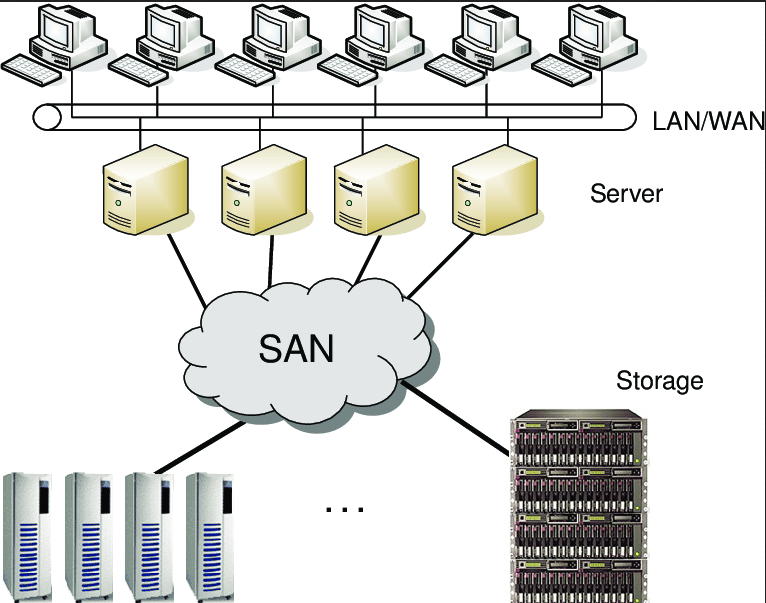
What is a Storage Area Network? How to setup SAN
Storage Area Network Diagram Storage Area Network: Diagram,
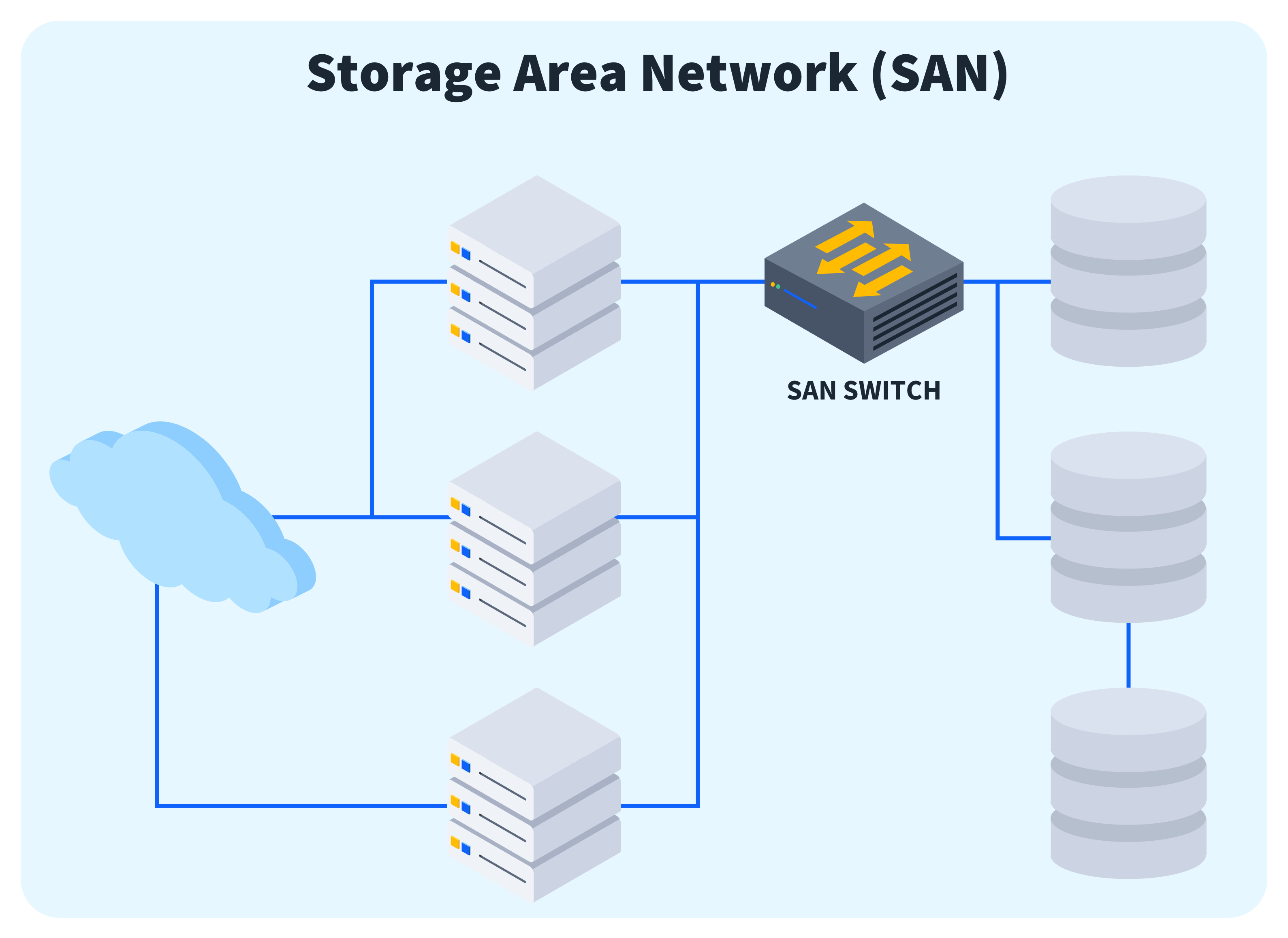
Storage Area Network Diagram Storage Area Network: Diagram,
Storage Area Network Device
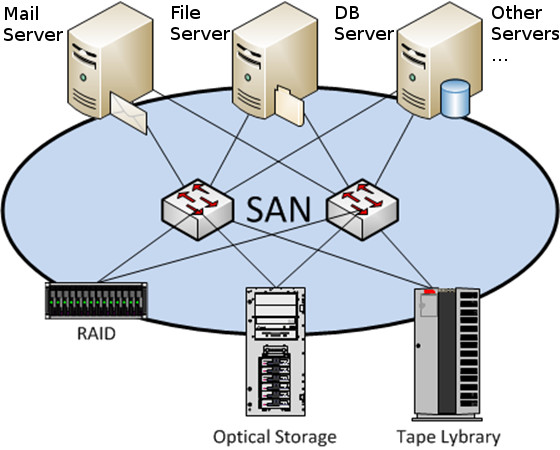
Storage Area Network Device
Example Of Storage Area Network At Jesse Gisborne Blog
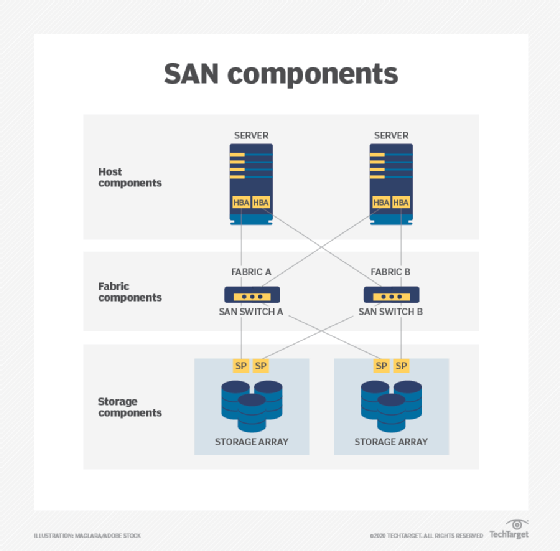
Example Of Storage Area Network at Jesse Gisborne blog
SAN-Storage Area Network Diagram Stock Vector - Illustration Of Logo

SAN-Storage Area Network Diagram Stock Vector - Illustration of logo ...